

TL;DR
Browser extensions and CSV uploads can put a listing live, but only native marketplace APIs behave like infrastructure. For charity retailers, the difference shows up as oversold items, thinner listings, fragile tooling and wasted volunteer hours, all of it leaking GMV and donation income.
See it in action
Unlock more value from every donation.
A 20-minute walkthrough of ListAid on your shop's real donations. No slides.
Book a demoThe second-hand economy is no longer a niche. The global secondhand apparel market is projected to reach $393 billion by 2030, growing at twice the rate of the overall apparel market, and in 2025 the sector expanded nearly four times faster than the broader retail clothing market. For charity retailers, this is the growth engine hiding in the donation bags: eBay's charity programme alone raised $198 million for good causes in 2025, with over 225,000 enrolled charities and more than $1.7 billion raised since launch.
So the question facing every charity retail team is no longer whether to sell donated stock online across multiple marketplaces. It's how. And here, the sector is quietly splitting into two camps: tools that cross-list through browser extensions and CSV uploads, and platforms built on the marketplaces' own native APIs.
The difference sounds technical. Its impact is anything but. It shows up directly in GMV, the total value of goods you actually sell, and in the donation income that flows from it.
Two ways to reach a marketplace
A cross-listing tool has to get your listing onto eBay, Vinted, Depop and the rest somehow. Broadly, there are two routes.
The first is to imitate a human. Browser-extension tools open the marketplace's website and fill in the listing form on your behalf, click by click. CSV-based tools go a step further removed: you export a spreadsheet of your inventory, massage the columns into each marketplace's template, and upload the file in batches.
The second is to integrate as a partner. Native APIs, like the eBay Developer APIs, are the official, sanctioned channels marketplaces build so that software can create listings, sync inventory, and process sales programmatically, in real time, with the marketplace's full knowledge and support.
Extensions & CSVs vs native APIs
Browser extensions
Imitate a human seller by filling in web forms. Break whenever a marketplace redesigns its UI, and live in a grey zone of terms of service.
CSV uploads
Batch exports and template-massaging. Sales and stock only sync as often as the next upload runs, usually overnight, at best.
Native APIs
Official, versioned, supported integrations. Listings, inventory and sales sync in real time as a sanctioned marketplace partner.
Both routes get a listing live. Only one of them behaves like infrastructure.
Where GMV quietly leaks away
For a charity retail operation, often powered by volunteers, always judged on income per donated item, the gap between these two approaches compounds across four areas.
1. The overselling problem
Donated stock is almost always one of a kind. When that vintage jacket sells on one marketplace, it needs to disappear from every other marketplace immediately, not when tonight's CSV batch runs, not when someone remembers to open the extension.
Extension and spreadsheet workflows are batch workflows. Between batches, sold items sit live on other channels, and every one that sells twice becomes a cancelled order. Cancellations aren't just awkward emails: marketplaces treat them as seller defects, and defects suppress your search visibility, which suppresses future sales. A native API integration listens for the sale event and delists everywhere in seconds. The result isn't just fewer apologies, it's the confidence to list every item on every channel, which is where the real GMV uplift lives.
2. Listings that search engines can actually read
Native APIs require structured data: item specifics, category IDs, condition codes, the fields each marketplace's search algorithm feeds on. A listing created through the official pipeline is, by construction, a listing the marketplace can rank, filter, and recommend.
Form-filling extensions and CSV templates tend to produce the minimum viable listing, title, price, photos, a description box. On a marketplace where buyers filter by size, brand, colour and condition, a structurally thin listing is invisible to a large share of the buyers who would have bought it. Same item, same photos, meaningfully less demand.
3. Fragility is a cost centre
Browser extensions break every time a marketplace redesigns a form, and marketplaces redesign constantly. When they break, listings silently fail, inventory drifts out of sync, and someone on your team spends their afternoon reconciling spreadsheets instead of listing donations. Because these tools imitate human sellers rather than integrate as partners, they also live in a grey zone of marketplace terms, an uncomfortable place for a charity to build a revenue line.
API integrations are versioned, documented, and supported. When eBay changes something, integration partners are told in advance. Stability isn't a luxury; it's what lets a retail team plan around online income rather than hope for it.
4. Volunteer hours are the scarcest resource
Every charity retailer knows the maths: the cost of selling an item online is mostly the labour of listing it. Workflows built on exporting, re-formatting and re-uploading spreadsheets, or babysitting a browser extension across five open tabs, spend that scarce labour on administration rather than listing. The Salvation Army Adult Rehabilitation Center in Tulsa generated nearly $400,000 in around a year on eBay, up 45% year over year, and stories like that are built on throughput: more donated items photographed, listed and sold per volunteer hour, not more hours.
The compounding effect
None of these four leaks looks fatal on its own. A few cancellations. Slightly thinner listings. An afternoon lost to a broken extension. A slower listing workflow.
But GMV is multiplicative: items listed × channels reached × conversion per listing × sell-through before markdown. Clunky plumbing taxes every term in that equation, every day. Over a year, two operations with identical donation streams can end up with very different income lines, not because one had better stock or better people, but because one of them was fighting its own tooling.
What to ask your cross-listing provider
If you take one thing from this piece, make it a procurement question. Before you commit your donated stock to any cross-listing tool, ask:
"Do you integrate with each marketplace through its official API, and when an item sells, how many seconds until it's delisted everywhere else?"
If the answer involves browser extensions, spreadsheet templates, or overnight batches, you now know exactly where your GMV will go.
The second-hand boom is the biggest tailwind charity retail has had in a generation. The organisations that capture it won't be the ones listing in the most places with the most workarounds. They'll be the ones whose tools treat marketplaces as partners, not as websites to be puppeteered, so every donated item finds its best buyer, at its best price, with none of the value lost in translation.
Sources
- ThredUp 2026 Resale Report (with GlobalData): global secondhand apparel market projected at $393B by 2030, growing at 2× the overall apparel market; US resale market projected at $78.8B by 2030; secondhand expanded nearly 4× faster than broader retail clothing in 2025, thredup.com/resale, Retail Dive coverage.
- eBay for Charity 2025 in Review: $198M raised in 2025; 225,000 enrolled charities; $1.7B+ cumulative; Salvation Army ARC Tulsa ~$400K, +45% YoY, ebayinc.com.
- eBay Developers Program, listing management APIs, developer.ebay.com.
Related reading

Re-commerce, explained: how modern second-hand selling actually works
The full pillar guide to how charity shops and resellers turn donated goods into online revenue, and where the value really comes from.
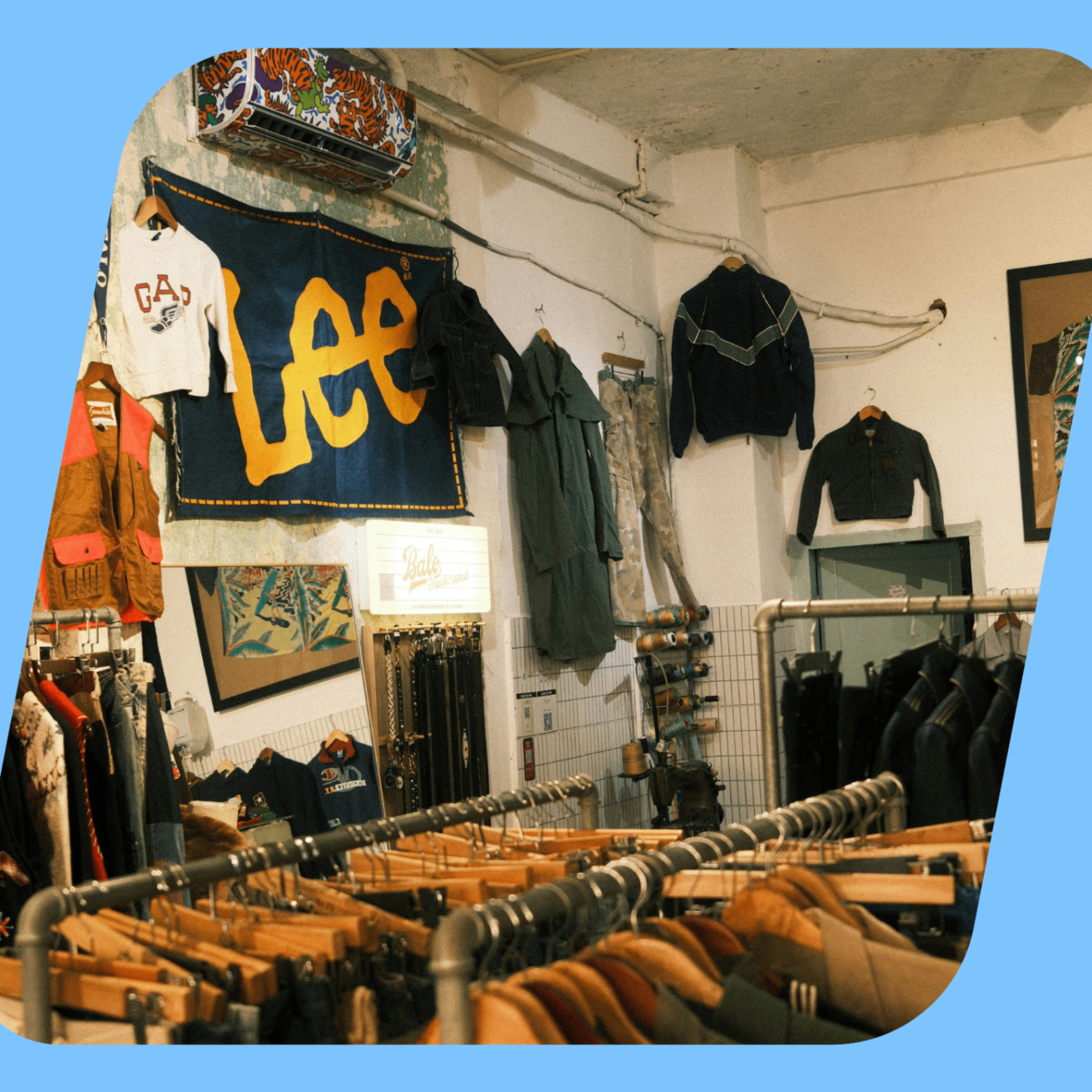
Benchmark: how St Mary's Hospice 10×'d in-store stock selling with ListAid
A detailed look at the operating changes and numbers behind St Mary's Hospice's move into modern re-commerce.