
Pricing & Valuation
Shop Floor or Online? Why the Same Donation Can Have Two Fair Prices
A simple framework for deciding where each donation belongs, and why it isn't about emptying the shop floor.
Kama Villiers
ListAid
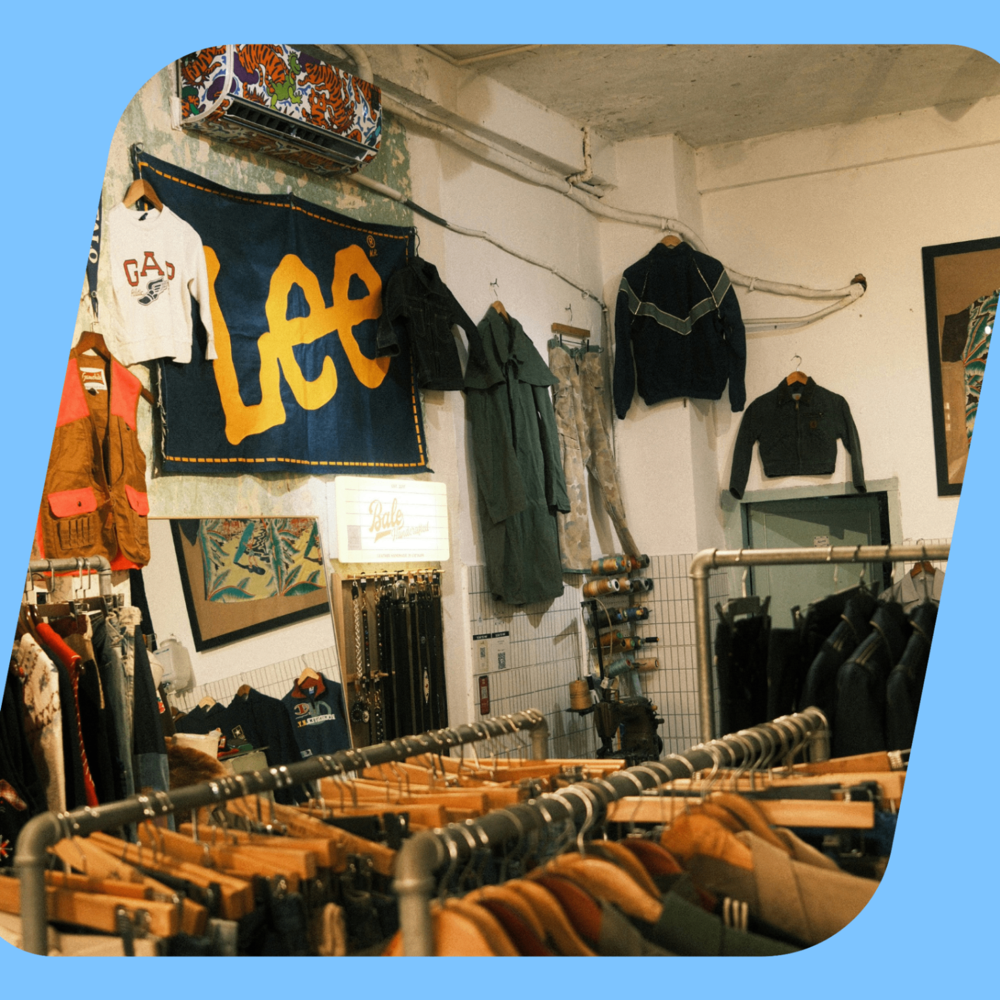
One shop manager priced a jumper at £76, not the few pounds it would have fetched hanging on the rail, but its real value, because it went online instead. Same donation, same donor's generosity, two very different outcomes for the cause behind the till.
Most shops don't make that distinction. A price label and a shop worker's best guess treat every donation the same, whichever channel it ends up in, which means good pieces are quietly undersold in-store, while ordinary stock gets overpriced online and just sits there.
It's a case for recognising that a donation can have two fair prices, and knowing which applies before you attach a label.
Key takeaways
- A donation's fair price depends on who's buying: your shop floor sells to local footfall, online sells to buyers actively searching for that item.
- This is additive, not extractive. The goal is a little more value on the pieces that can carry it, not an empty shop floor.
- Listing online extends your shop window to buyers your local footfall was never going to reach; it doesn't replace the high street.
- A simple framework, recognisability and local demand, can guide where each donation belongs.
- Every extra pound captured, multiplied across a year of donations, becomes real hours of care or real equipment for the cause.
Two different buyers, two different ideas of “fair”
Your shop floor and your online listing sell to two different buyers, each with their own idea of what “fair” looks like.
The person browsing your rail on a Tuesday afternoon is browsing on impulse, drawn in by what's already in front of them, not looking for anything in particular. What feels fair to them is largely about the moment: is this a good find, right now, for what I'm holding?
The person searching online typed in a brand, a style, a size, and has probably already scrolled past several similar listings, so they have a rough sense of what that item actually sells for. What feels fair to them isn't about the moment, it's about the market. They're weighing your price against real, comparable, recently sold listings, and they'll notice if you've undersold it as much as if you've oversold it.
That gap matters. The average charity shop transaction is still a modest one: value rose 3.8% to £7.27 in the year to the first quarter of 2026 (BDO Charity Retail Trends and Sales Tracker, retrieved 2026). That's healthy for everyday in-store pricing, but nowhere near what a single well-placed online sale can achieve, because it's answering a different question about value.
“Neither price is wrong. They're just answers to different questions, asked by different people, and every pound that lands on the right side of that question is a pound that reaches the cause instead of being left on the rail.”
It's not about emptying the shop floor
None of this is an argument for stripping your shop floor of every good find and shipping the lot online, that would hollow out the very thing that makes a charity shop worth walking into: the chance of a find, today, in person.
This is about something smaller and more specific: a minority of donations, the ones that can genuinely carry more value if they reach the right buyer. Everything else, the everyday clothing, the paperbacks, the mugs and the picture frames, keeps doing exactly what it's always done: giving your regulars a reason to come back.
Charities applying this kind of pricing thinking have seen the gap add up fast. The average item sold online through ListAid brings in £27.63, against an average in-store transaction of £7.27 that may well include more than one item. Even treating £7.27 as a single item, a shop listing 10 items a week gains over £10,500 a year the shop floor alone wouldn't have produced, rising to roughly £53,000 across 5 shops, £106,000 across 10, and £212,000 across 20. To be clear, that's the gap, the extra captured by pricing to the online average rather than the in-store one, not those shops' total online revenue. And that's before the occasional exceptional find, a rare or designer piece selling for hundreds or even thousands, pushes those numbers higher still.
What does that extra actually look like? It might be the difference between covering a shift and funding an extra hour of one-to-one care in a hospice. It might be a meaningful chunk toward a new defibrillator, or enough to help feed a dog left in an animal charity's care while it waits for a new home. It's rarely one dramatic windfall. It's a steady accumulation of small amounts, each one a donation priced a little closer to what it was actually worth.
That's the point of pricing by channel. Not less on the shop floor. A little more, for the cause, from the pieces that can bear it.
Why “online” doesn't mean leaving the high street behind
A physical shop's reach ends at the edge of whoever's on that street today, a rail can only be seen by the people who walk past it. Listing online doesn't take that window away, it opens it to everyone who couldn't have walked past in the first place, people who were never going to be on your high street but are, right now, searching for exactly what's in your stockroom.
The scale of that difference is hard to overstate. Take eBay, just one of the marketplaces a donation might reach: it reported 136 million active buyers globally as of the second quarter of 2026 (Marketplace Pulse, eBay Active Buyers, retrieved 2026). No single charity shop's footfall, however loyal, however loved, competes with a pool that size for one specific, searchable item.
And crucially, none of that comes at the high street's expense. Online income made up close to 5% of total charity retail sales every quarter from the start of 2024 through the third quarter of 2025 across Charity Retail Association member shops, while like-for-like in-store income kept growing too, up 1.9% in the first quarter of 2026 on the same period the year before (Charity Times, retrieved 2026; BDO Charity Retail Trends and Sales Tracker, retrieved 2026).
“Online isn't a competitor to your shop floor. It's the extension cord.”
A simple framework for deciding where an item belongs
Before you price anything, decide the channel first. A couple of questions do most of the work, neither needs specialist knowledge, just a habit of asking them.

Is the brand, style, or maker recognisable or sought after? A well known label, a distinctive vintage cut, a designer name, these are things an online buyer is actively searching for by name. If a shop worker doesn't recognise it, that's often itself a clue it's worth a second look before it goes straight on the rail.
What about bulky or fragile pieces? Furniture, china, anything awkward to post used to mean an automatic no for online. It doesn't have to: list it with a Collect in Store option, and the shipping risk disappears while the item still reaches a much wider audience. It can even lift footfall: people now travel further for the right piece, bringing in buyers who might never have walked in otherwise.
Is local demand alone likely to clear it quickly? For items that pass the recognisability question but still feel borderline, this is the tie-breaker. Common, everyday pieces that sell reliably and fast in-store don't need the extra step of listing, the shop floor is already doing its job.
Get the recognisability question right, and most donations sort themselves. Local demand settles the borderline cases, and Collect in Store means a heavy or awkward shape is no longer a reason to rule online out. None of it asks a shop worker to know a market inside out, just to notice a little more before reaching for the price label.
Getting the price right once you've picked the channel
Channel decides the market. Recent sold prices decide the number. Guessing loses value either way, just in different directions.
In-store, the goal is a simple, legible pricing band a shop worker can apply quickly and consistently, anchored to what similar items have actually sold for locally, not a guess made under pressure with a queue forming. Consistency matters here more than precision: a shopper who sees the same kind of item priced wildly differently week to week loses trust in the price tag altogether.
Online, the price needs to be checked against real, comparable, recently sold listings, not just what similar items are currently listed for, which tells you what sellers hope for, not what buyers actually pay. It also needs headroom that in-store pricing doesn't: marketplace fees and postage both come off the top before anything reaches the cause.
It's worth actually working out what online really costs before assuming the extra reach is pure upside. Marketplace fees, postage and packaging, and staff time, if a paid member of the team is doing the listing, all eat into the difference. These costs vary too much by marketplace, item, and shop to put a single number on here, but that's exactly why it's worth doing the sum for your own shop rather than guessing. Even once everything is accounted for, selling online is still worth it: the extra a well-matched buyer will pay usually outweighs what it costs to reach them.
That's exactly why online pricing can't just mirror in-store pricing with a higher number attached. Get this step right, and the fees stop feeling like a loss: they're simply the cost of reaching a buyer your shop floor never could.
Frequently asked questions
Does selling online take stock away from the shop floor?
No. This framework is designed to route only the minority of items where reach genuinely changes the outcome: recognisable brands, collectables, and hard-to-place niche pieces. Everyday stock that sells quickly and reliably in-store should stay exactly where it is.
How much more can an item sell for online than in-store?
It varies item to item, but the average item sold online through ListAid brings in £27.63, against a £7.27 average in-store transaction that may include more than one item (ListAid platform data, 2026). Some individual pieces show a far bigger gap still, like the £76 jumper that would have gone for a few pounds on the rail.
Do smaller, single-shop teams lose out if they can't manage an online presence themselves?
Not necessarily. Listing online doesn't require replacing anything about the physical shop, and tools that make listing seamless mean even a small team can reach online buyers without dedicating a shop worker to it full-time.
In short
A donation doesn't have one fair price: one for the person walking past your window, another for the person searching for it by name online, and another for the person driving in to collect it because it's worth the trip. Getting that distinction right isn't about turning your shop into an online warehouse, it's about noticing which pieces deserve a bigger audience than your shop floor alone can give them.
None of it needs to be complicated. A couple of consistent questions do most of the deciding. What's left is a little more from a donation that was always generous, going a little further toward whatever the cause needs it for.
- charity shop pricing strategy
- online vs in-store pricing
- charity retail
- pricing & valuation
- re-commerce
See where your donations are underpriced
ListAid prices every donation against what similar items are actually selling for, then routes it to the shop floor, your own online shop, or the marketplaces you sell on, seamlessly.
Book a free demoNo card needed · Free for 30 days · Stop any time